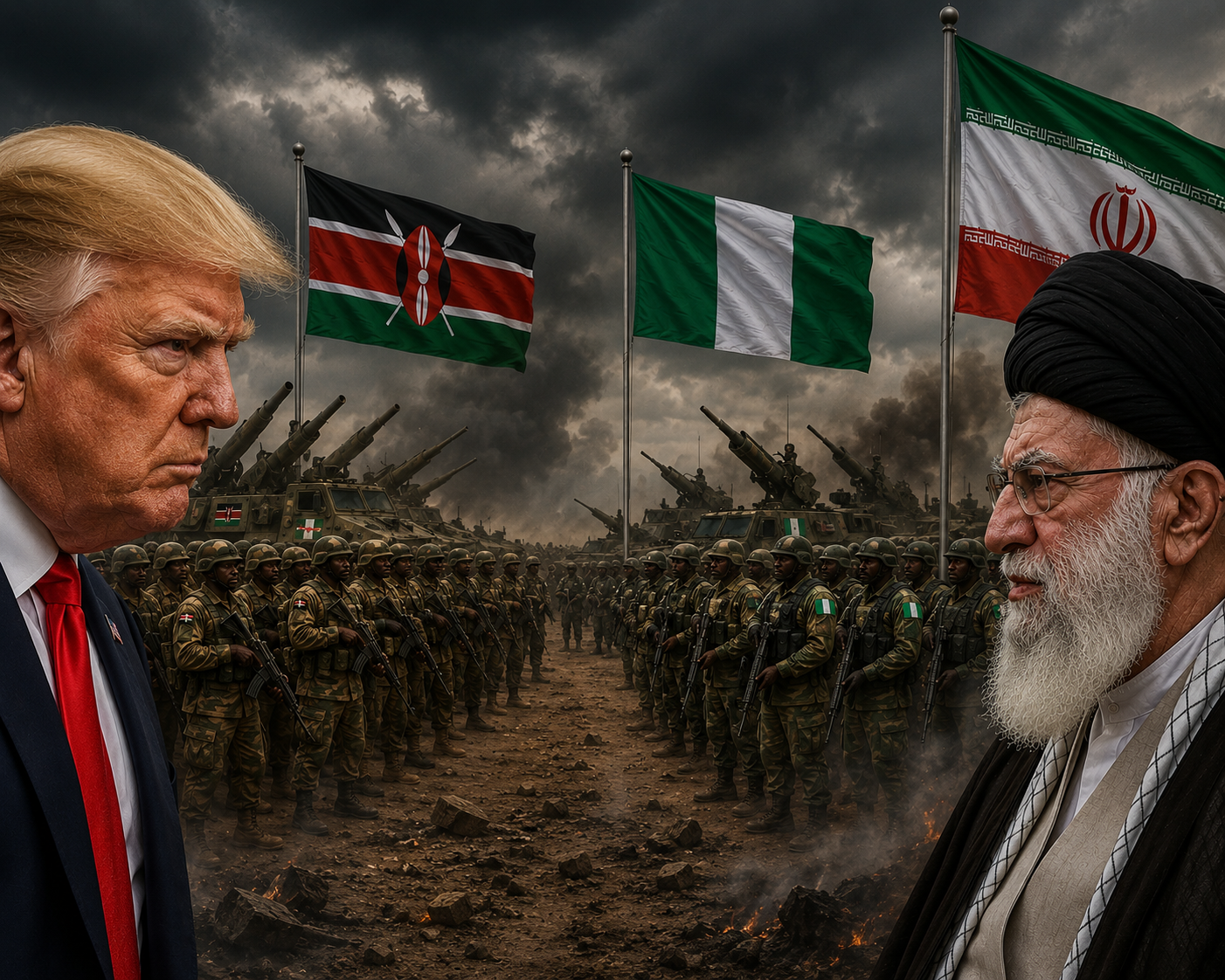

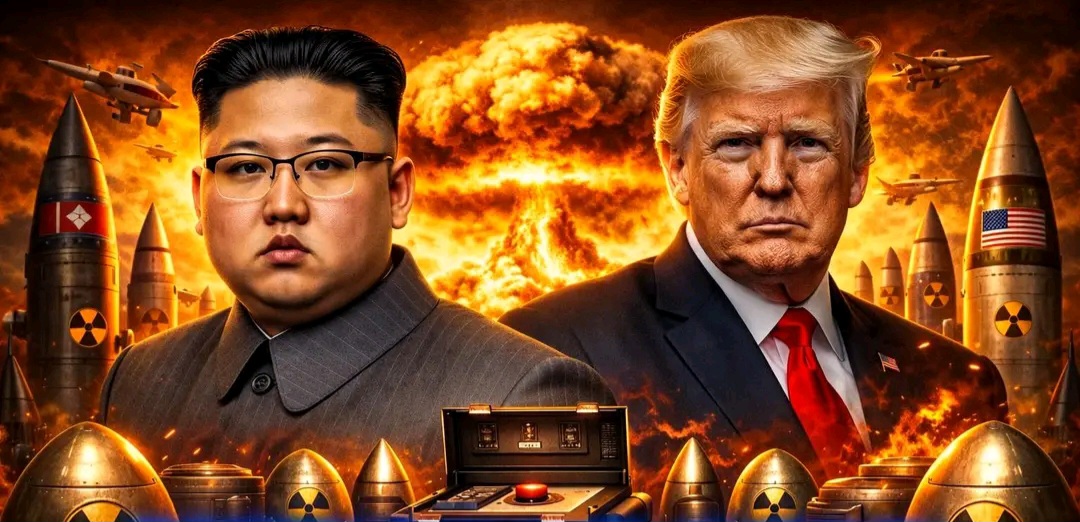
Nuclear weapons are the most dangerous tools human beings have ever created, and it’s widely accepted that no country can win a nuclear war. It would be a lose-lose situation—and a mutually assured destruction.
The destruction would not only affect the countries involved, but the entire Earth.
Depending on its yield, one nuclear bomb can destroy an entire city in seconds.
The explosion alone creates a giant fireball hotter than the surface of the Sun. It produces intense heat that can start fires miles away.
When the bomb explodes, it releases invisible rays and tiny particles called radiation. These products are extremely harmful to humans.
Synthesis Collapse And Nuclear Winter
If many nuclear weapons were used in a war, the fires from destroyed regions could send massive clouds of smoke and dust high into the atmosphere, which could block sunlight.
If sunlight is blocked, plants cannot perform photosynthesis (photosynthesis is how plants make their own food). Plants need sunlight to make their food. Without enough sunlight, many plants would die. If many plants die, global food production would fall sharply.
At the same time, less sunlight would lower temperatures across the planet.
This combination of darkness, cold temperatures, and food shortages is known as nuclear winter.
Which Countries Own Nuclear Weapons?
The United States was the first country to build nuclear weapons. Soon after, the Soviet Union (now Russia) followed. Today, there are nine countries known to have nuclear weapons. These countries are:
1.United States of America
2. Russia
3. China
4. France
5. United Kingdom
6. India
7. Pakistan
8. North Korea
9. Israel (though Israel neither confirms nor deny it)
The United States is the only country that has ever used nuclear weapons on people.
US bombed two Japanese cities during World War II; Hiroshima (August 6, 1945) and Nagasaki (August 9, 1945).
From the aftermath, it is estimated that 100,000–200,000 people died from the blasts, fires, and radiation, and no nuclear weapons have been used in war since then.
Russia has the largest stockpile of nuclear weapons, closely followed by the United States.
Together, Russia and the United States hold most of the nuclear weapons on Earth.
Russia has over 5,000 nuclear warheads, The United States owns over 5,000, China having over 600. France processes over 200 and The United Kingdom has over 200.
The most powerful nuclear weapon ever tested was made by the Soviet Union. It was called the Tsar Bomba, and was over 3,000 times stronger than the bomb dropped on Hiroshima.
The explosion was so powerful that its shockwave broke windows hundreds of miles away. It was only a test; no weapon that powerful has ever been used in war.
Types Of Nuclear Weapons
There are two major types of Nuclear bombs; Atomic bombs and Hydrogen bombs.
- Atomic Bombs
An atomic bomb is made by splitting an atom. This involves cutting a piece of metal into smaller and smaller pieces up to the smallest piece of that metal.
The particles are too small to see with a naked eye. That smallest piece is called an atom. If you break into the center of that atom, you release a large amount of energy. This process is called nuclear fission.
When scientists split atoms of materials like uranium-235, a huge amount of energy is released in a chain reaction. This is how atomic bombs work.
2. Hydrogen bombs
The Hydrogen bomb is more powerful than an atomic bomb.
Hydrogen bombs work by forcing hydrogen atoms to join together under extremely high heat and pressure.
The hydrogen used in a hydrogen bomb is not the same hydrogen found in the water taken by humans. Instead, the bomb uses special types of hydrogen called deuterium and tritium.
When these hydrogen atoms are forced to join together under extreme heat and pressure, they release a huge amount of energy, making the explosion far more powerful than an atomic bomb.
How Nuclear Weapons Prevent War Escalation
Nuclear weapons actually prevent major wars. The fear of nuclear destruction keeps powerful countries from fighting each other directly.
Some emerging powers want nuclear weapons because they believe it gives them an extra layer of security. But these weapons remain extremely dangerous, because one mistake could end millions of lives or even potentially end the entire human race.
TAFFY THEMAN